
Ideas and analysis
Blog
Market-oriented perspectives on energy and environmental policy.
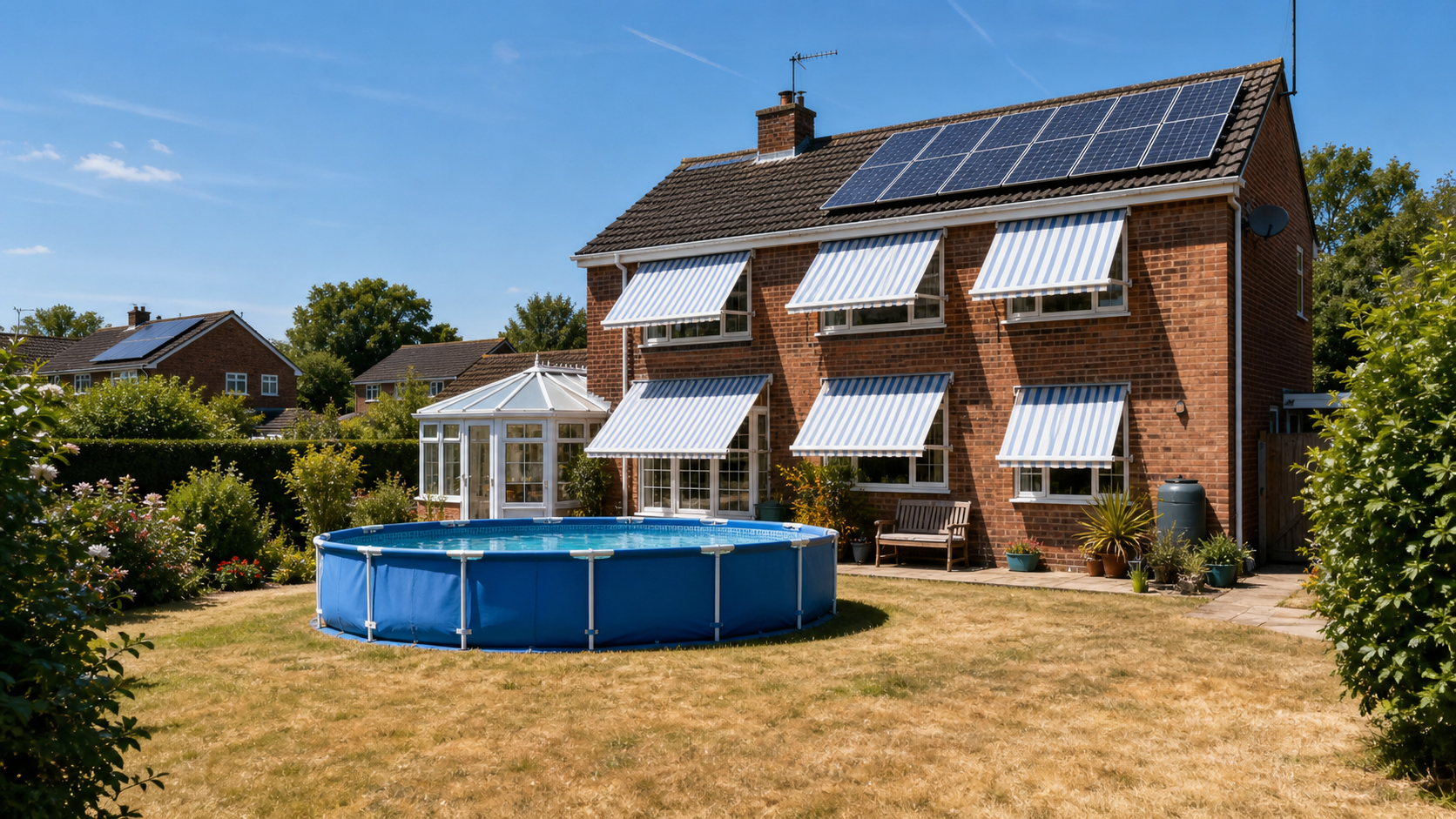
Against Sweating for Virtue
I am loving this weather. I wake up to the comfort of whole-house cooling. I drive to work in an air-conditioned car. The whole office is cooled with solar-powered air…
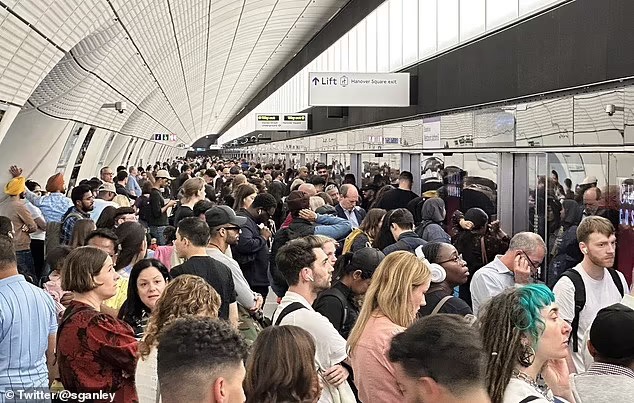
If you don't price scarcity, you ration it anyway
You can buy electricity on Agile prices that reflect the half-hourly balance of supply and demand. Some people think that shouldn't be allowed. They couldn't be more wrong.

Raking over the coals
"Experts" tell us wind & solar have fallen dramatically in cost, while coal power is as expensive as in 2009. But coal wasn't expensive in 2009. LCOE is BS.

Net Zero Substance
Net Zero is based on very uncertain pathways. Dirigisme does not work under high uncertainty. We should internalise the externality and see what emerges.

Biased BP
BP's Statistical Review of World Energy is a widely-used reference source, but their data are biased powerfully by their exclusion of biomass heat.

Clean energy when you need it
Clean energy advocates think we can use the batteries in electric vehicles to align intermittent renewable output with variable demand. They are wrong.

150 Ways to Price your Carbon
The RO, RHI and FiT renewable subsidy mechanisms generated 150 different implicit carbon prices, from 1 to 300 p/kgCO2e. There should be only one.

Climate Debt Relief
The West is asked to pay for decarbonisation due to its climate debt from centuries of emissions. Should the sins of the father be visited on the children?
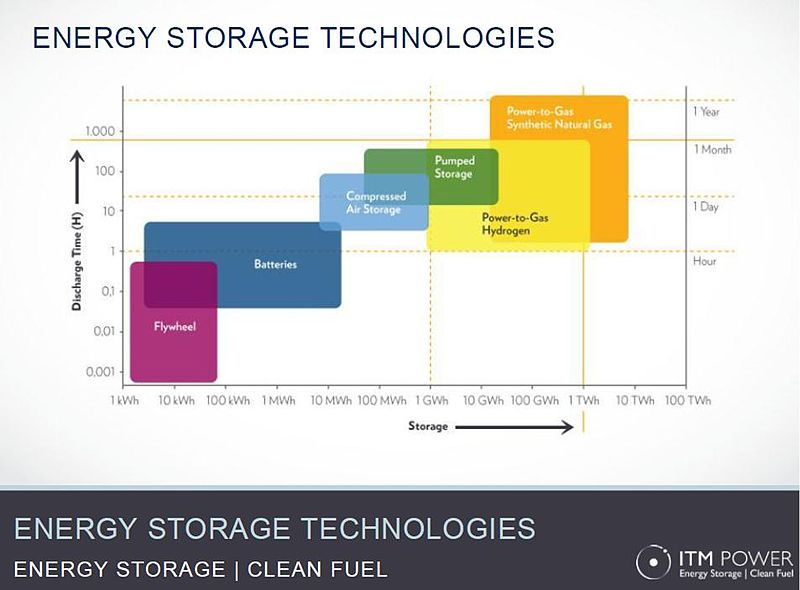
The basics of energy storage economics
Armchair experts think interseasonal energy storage is just a matter of investment and technological progress. The main barrier is economic not technical.

China is cleaning up
China's carbon emissions have not grown much since 2011. How they have achieved this whilst maintaining strong growth is a useful lesson for the West.

Forever learning curves
Green tech evangelists claim that solar learning curves will continue forever. This is both logically and empirically nonsense, as we illustrate from NFFO.

What carbon price would you like?
A carbon price internalises the externality and allows the market to discover the best options. Combining with winner-picking interventions is contradictory
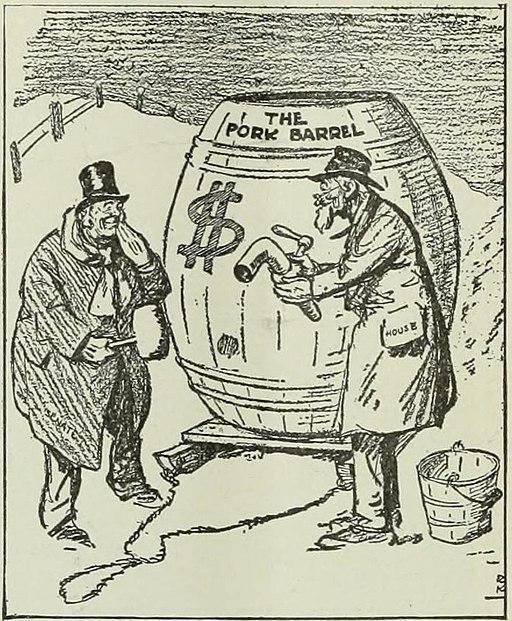
The potential for renewable gas in the UK: a rent-seeking anatomy
National Grid claimed in 2009 that biomethane should make up 5-18% of our gas supplies by 2020. It now makes up 0.7%. We look at the impact of this fiction.

The future of energy (according to Labour)
Labour's energy & climate-change plans in their 2019 manifesto are vastly more expensive than they say - probably £1bn by 2030 and £1.5-2bn ASAP in 2030s.
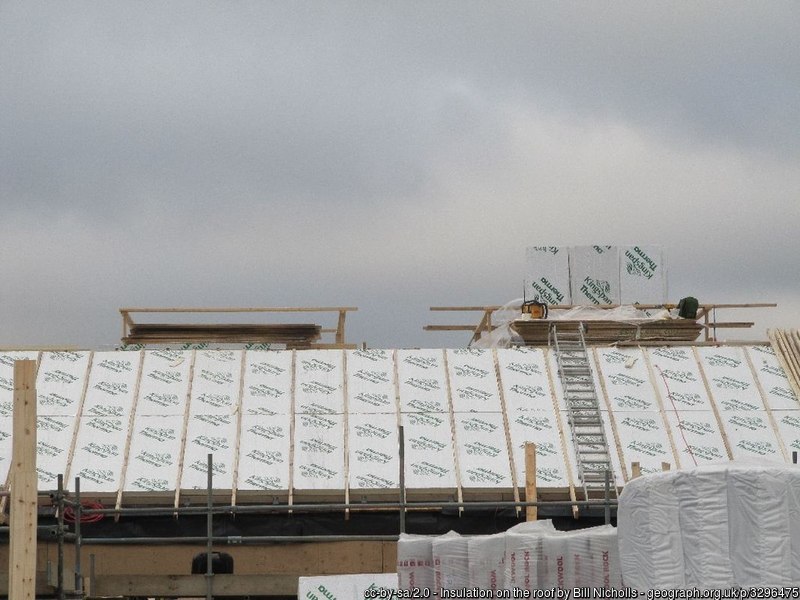
Building or energy conservation?
Standard insulation is surprisingly limited and 2/3 done already. Major improvement needs rebuild. But we currently replace 1% of our housing every 22 years
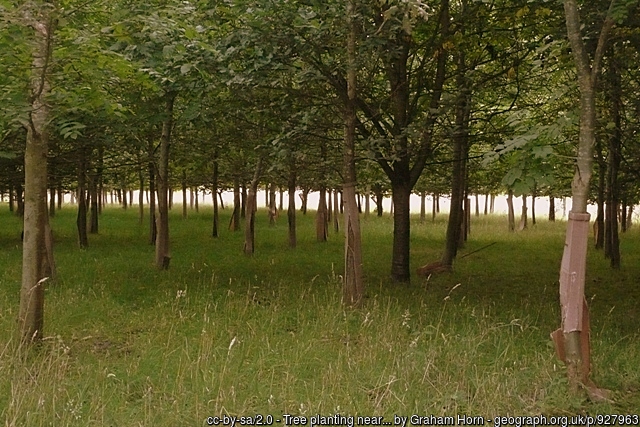
How much is enough forest?
How credible are parties' plans for mass tree-planting in the UK? The numbers sound big, but what does "big" really look like in forestry terms?

We're Back
With UK parties competing to promise the earth, XR pushing eco-socialism, and hugely uneven national decarbonisation efforts, it's time to resurrect C4CS.
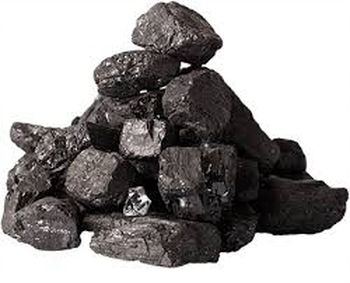
One lump or two?
The decline of coal-fired electricity highlights important challenges for a network relying more heavily on intermittent generation.

Mind the cap
Electricity prices in the UK are not the result of profiteering on electricity supply. A price cap will be counterproductive, reducing competition.
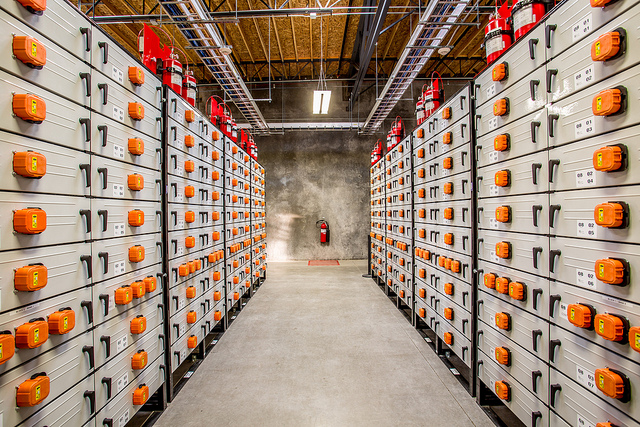
The holy grail of solar heating
Increasing use of batteries to provide system services to electricity networks does not mean that they are practical to smooth seasonal heating imbalances
If you are "free of subsidy", why compete in an auction for subsidies?
Dong won the contracts for 3 offshore-wind projects in Germany, at prices they claimed to be "subsidy-free". But are they really "subsidy-free"?

Phantom Figures
Why did the European Commission withhold the national Renewable Energy Progress Reports when it published its biennial EU Progress Report in Feb 2017?

When you have a fat friend, there are no see-saws, only catapults*
Offshore Renewable Energy Catapult (OREC) notes value to economy of offshore wind is less than the subsidy, but claims this will reverse. We question this.
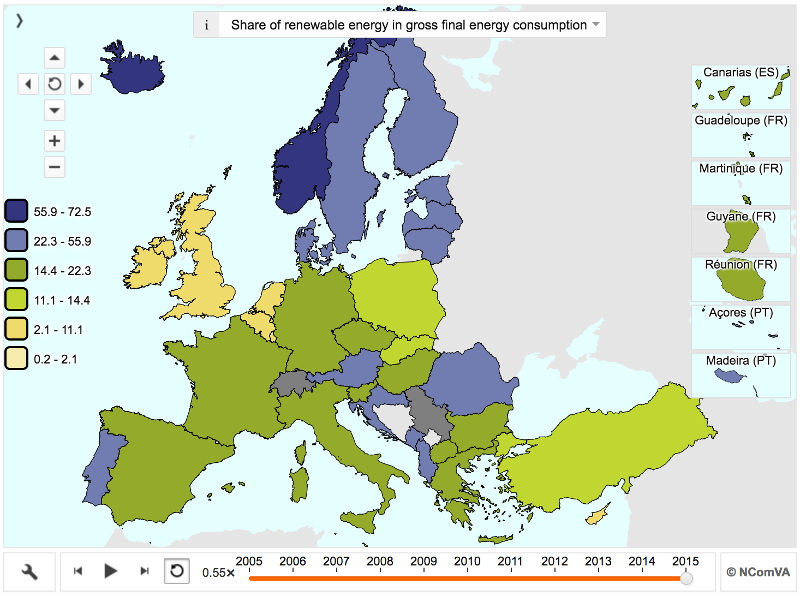
Eurostat renewable energy map
As the UK prepares to leave the EU, it is worth noting one of the few things that the EU does well. Its statistical arm - Eurostat - is an invaluable source of comparative data.…

The ever-increasing cost of environmental levies
The cost of support for renewable electricity is rising inexorably. From £0.5bn in 2011/12, environmental levies are now expected to hit £13.6bn in 2021/22.
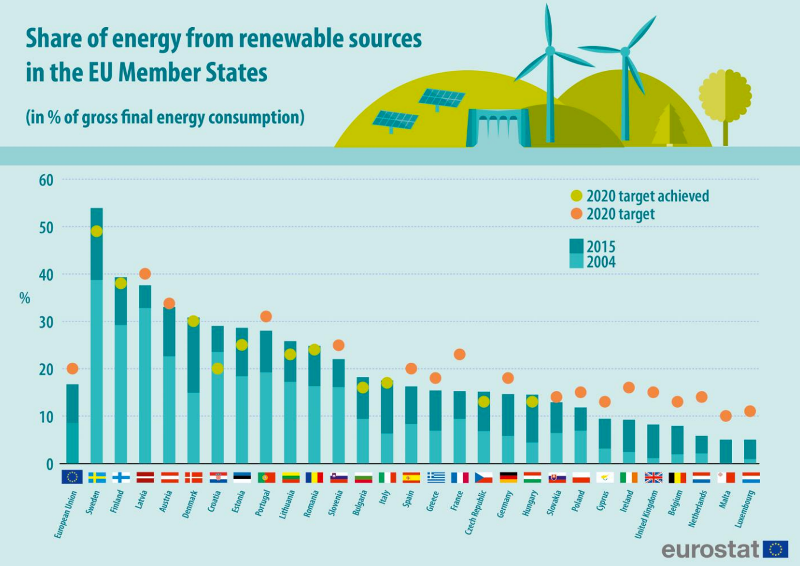
Out of puff - how pumping up renewable electricity lets the air out of renewable energy
Of the main uses of renewable energy, only heat (not electricity nor transport) has much effect on the overall levels of renewable energy.